

The challenge of transportation
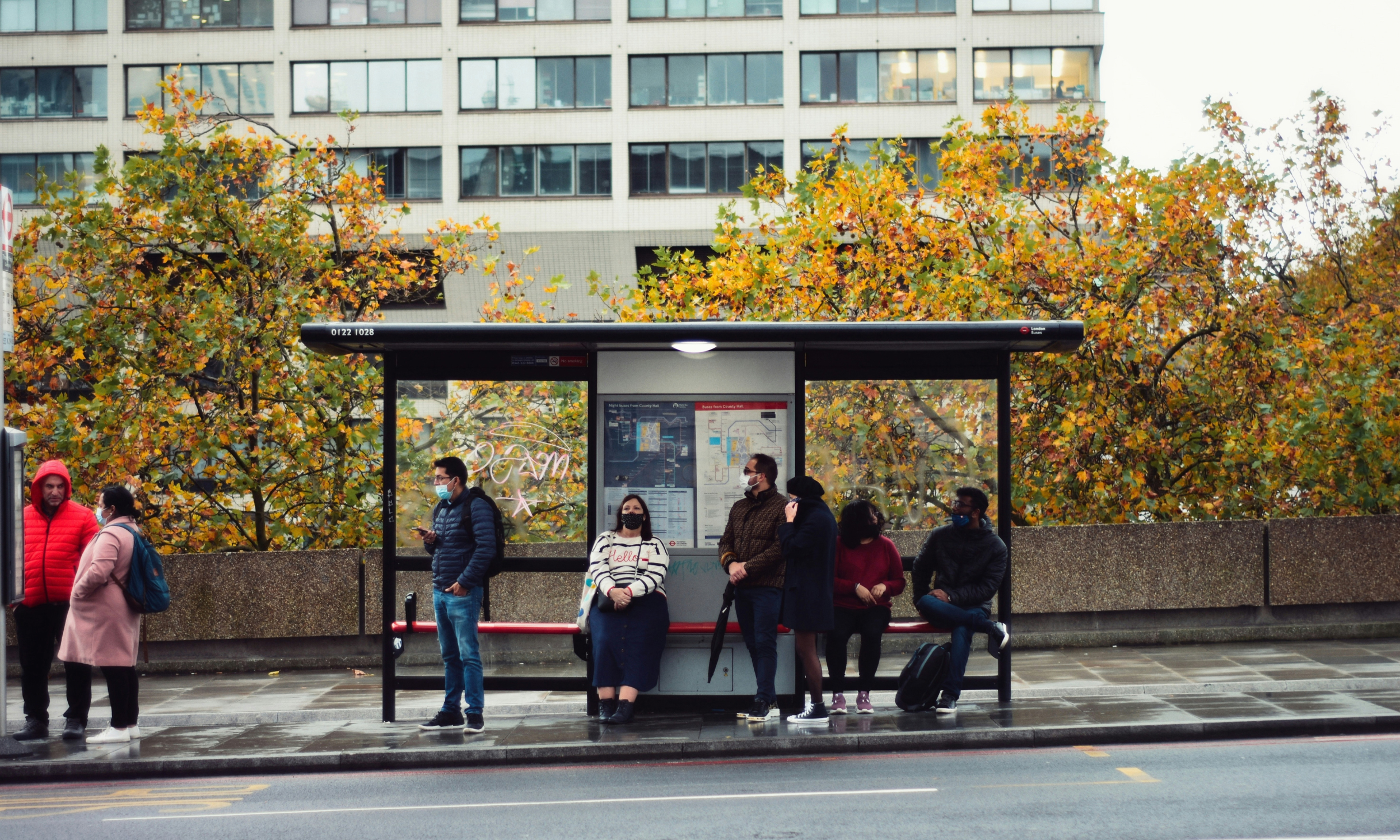
People wait at a city bus stop. Photo by Sandy Ravaloniaina on Unsplash
One of the hardest initial lessons immigrants who come to Indianapolis face is how to get places. And how very hard it is to get places.
Public transportation is not great in Indy. It’s non-existent in the surrounding suburbs such as Greenwood, Fishers, Plainfield, New Palestine, and Greenfield. That means that employers who have jobs these people have the skills to do are out of reach. Even if an employer is technically on a bus route, that route can often require more than an hour’s ride. It will typically involve at least one bus transfer and walking from one bus stop to another to make the connection. One family we assist had a family member whose commute each one was almost 2 hours because it included a 30-minute walk after he got off the bus at the stop closest to the employer.
So — as soon as they can figure out a way to do it—most families invest in at least one car.
Cars are expensive to own. We know that. The families do not.
We do our very best to explain the expense of owning a car:
The cash price the family can expect to pay.
The cost of insuring the car.
The upkeep/maintenance.
The gas
We explain that the cheapest part of getting a car is paying for the car itself. It’s the ongoing expense of gas, insurance, and maintenance that families find difficult to manage.
One of our families, the Aberi’s, survived here without a car for more than a year. Dad used the bus to get to his job at a local hotel. HIs work options were pretty limited given his home’s location. He knew that a car was pretty essential to him finding better employment. The family’s 20-year old son used the bus to get to The Excel Center and to a part-time job located near the airport. Each spent a lot of time on busses on top of the hours they spent at their jobs.
When one of our Board members purchased a new car, he decided to give Dad his 2016 car. FSTN covered the first year of insurance, which saved the family $2200. Dad’s status as a brand-new driver meant premiums were not cheap. We also included comprehensive coverage for the car because we knew the family would need dollars to replace the car if the worst happened (a car wreck that Dad was responsible for causing).
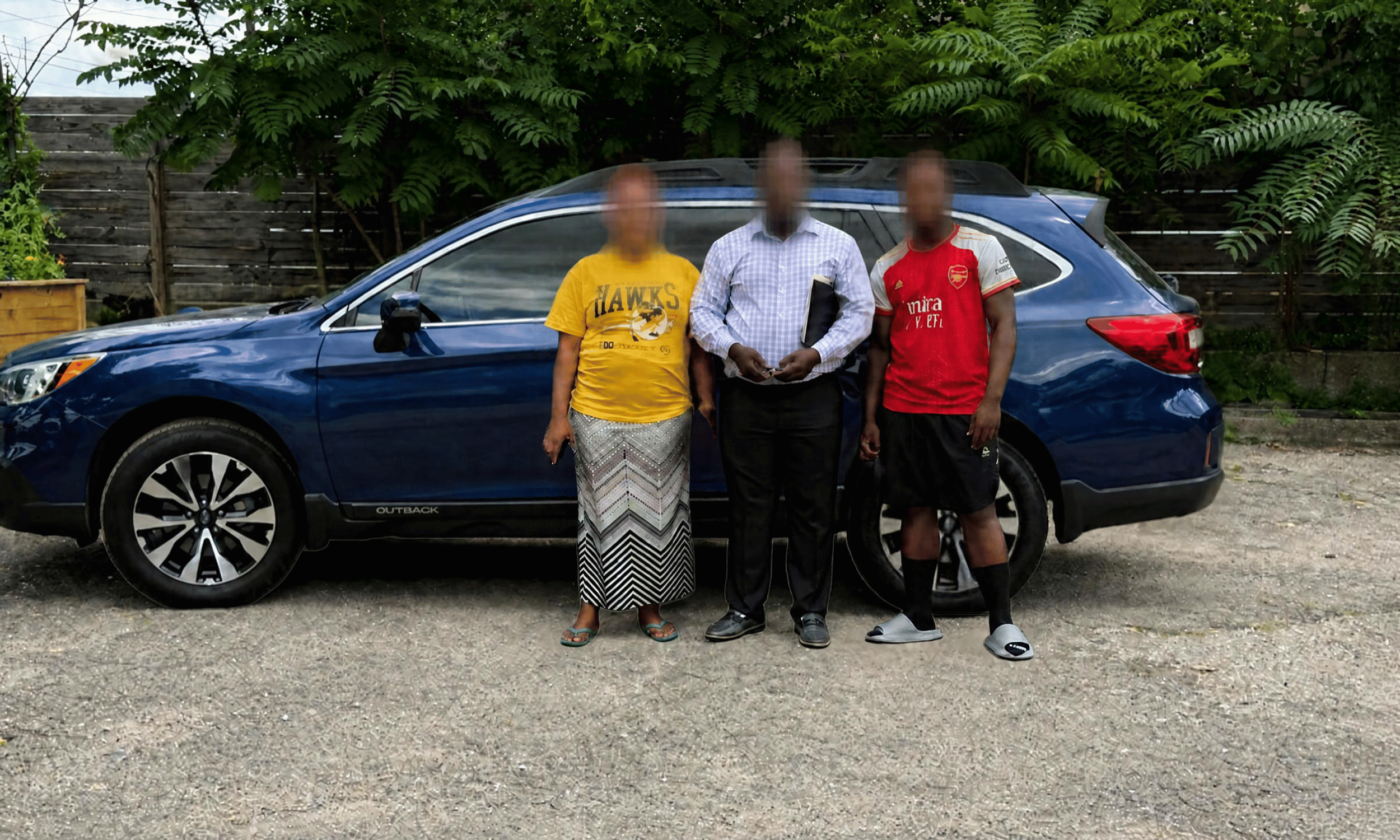
A car was transformative for the Aberi family. It also becomes a financial risk that must be managed to avoid painful lessons.
Cars are usually game changers, despite their cost.
The car WAS transformative. Dad was able to get a higher-paying job and also provide one way of transportation for his son. Eventually, the familly’s 18-year old wanted a car, too. We strongly advised against it, explaining that insurance costs for an 18-year old brand-new driver would be VERY high. Inexperience would place the 18-year old at great risk of being in an accident. At a minimum, the son needed to have an after-school job to fund all the gas and the cost of insurance. Dad didn’t listen. He wanted to please his son…and, frankly, he wanted a second driver/car to transport the other 8 members of the household to various appointments.
But cars also can bring disasters a family cannot afford.
Within a month of the son beginning his drives to/from school, he was in an accident that rendered the car he had saved $4,500 to purchase inoperable. It now sits in the driveway. The son is out the $4,500 that could have been used by the family for other purposes such as food, insurance to fund the one car that they already had, and to put toward some savings for the famiily. Instead, they had a very expensive lesson sitting in their driveway.
Dad has seen the light. He has told the son it is up to him to be able to fund repairs/pay the insurance deductible, and fund any future driving ventures.
We hate these stories. We hate when families experience setbacks like this. We also realize they are part of life. It’s unrealistic to expect that immigrant families will 1) avoid setbacks after they arrive here, and 2) will follow all the advice given to them by our team. After all, who among us, is willing to listen when family and friends attempt to share their experiences in an effort to help us avoid doing something unwise?
We don’t always listen to good advice. Neither will our families.
However, we continue to act as a neighbor. We don’t bail families out of these self-created situations, but we also don’t condemn them for making mistakes that many of us have made in our earlier decades as we learned about cars, insurance, and more.